
Favorite Tools and Machinery for Demolition Service Experts
Identify the most effective and durable equipment trusted by industry professionals to complete demolition projects smoothly.
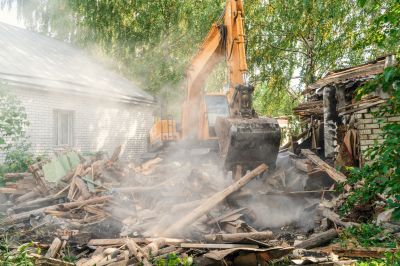 Demolition projects in Carmel, IN, require a diverse array of tools and equipment to ensure safety, efficiency, and precision. Whether tearing down a small structure or undertaking a large commercial demolition, selecting the right products is crucial for successful completion. From handheld tools to heavy machinery, the right equipment can streamline the process and help mitigate risks associated with demolition work. Proper planning and the right selection of tools can significantly impact project timelines and safety standards.
Top Overall Option
Heavy-Duty Demolition Hammer
A versatile and powerful demolition hammer offers reliable performance for breaking through concrete, brick, and other tough materials. Its ergonomic design and adjustable settings make it suitable for various tasks, providing control and comfort during extended use. This type of equipment is often compatible with different chisel attachments, enhancing its utility across multiple demolition scenarios.
Types of Products For Demolition Service
Handheld Sledgehammers
Ideal for small-scale demolitions and detailed work, these tools provide direct impact force for breaking up materials.
Pry Bars and Crowbars
Useful for prying apart structures and removing nails or fixtures during demolition projects.
Jackhammers and Pneumatic Breakers
Powerful tools designed for breaking concrete, asphalt, and other hard surfaces efficiently.
Reciprocating Saws
Handheld saws that cut through wood, metal, and drywall, useful for precise demolition cuts.
Rotary Hammers
Heavy-duty drills with chipping functions suitable for breaking up masonry and concrete.
Demolition Saws (Cut-off Saws)
Portable saws ideal for cutting through metal and concrete with high precision.
Mini Excavators
Compact machinery equipped with various attachments for large-scale demolition tasks.
Skid Steer Loaders
Versatile machines with attachments like hydraulic breakers and grapples for efficient debris removal.
Concrete Crushers and Pulverizers
Attachments for heavy machinery that help crush and process concrete debris.
Debris Containers and Dumpsters
Essential for managing waste and debris during demolition projects.
Safety Gear (Helmets, Gloves, Goggles)
Protective equipment critical for ensuring worker safety on demolition sites.
Dust Suppression Systems
Devices that help control dust and debris, maintaining a safer work environment.
Hydraulic Breakers
Heavy-duty attachments for excavators used to break through tough materials.
Wire and Cable Cutters
Tools designed for safely cutting electrical wiring and cables during demolition.
Lifting and Rigging Equipment
Gear used to lift and move heavy structural elements safely.
Popular Choices
Portable and versatile, suitable for various demolition applications with minimal setup.
A collection of pry bars for prying and demolition work, adaptable to many tasks.
A commonly used tool for breaking concrete and asphalt efficiently.
Popular for small to medium demolition projects with multiple attachment options.
Widely used for its maneuverability and ability to handle various demolition attachments.
Essential safety gear that is frequently chosen for site protection.
Preferred for cutting through structural materials with precision.
Trending for maintaining cleaner work environments during demolition.
Popular for processing concrete debris directly on-site.
Commonly used for hand protection during demolition tasks.
Trending for hearing protection in noisy demolition environments.
Convenient for quick debris collection and disposal.
Popular for their power and efficiency on larger projects.
Increasingly used for elevated demolition work to enhance safety.
A variety of products are available to cater to different demolition needs. Hand tools such as sledgehammers, pry bars, and chisels are essential for detailed work and smaller demolitions. Power tools like jackhammers, rotary hammers, and demolition saws offer increased efficiency for breaking through concrete, brick, and other tough materials. Heavy machinery, including mini excavators and skid steer loaders equipped with specialized attachments, can handle larger-scale projects with ease.
Safety equipment is equally important and includes items like protective helmets, gloves, goggles, and hearing protection. These products help safeguard workers from debris, dust, and noise hazards common in demolition environments. Proper disposal containers and debris management tools also play a vital role in maintaining a clean and organized worksite, reducing hazards and improving workflow.
Choosing the appropriate products depends on project scope, material types, and site conditions. Investing in quality, durable equipment can improve operational efficiency and safety. Consulting with local suppliers in Carmel, IN, can provide insights into the best tools suited for specific demolition tasks, ensuring that projects are completed smoothly and safely.
Key Buying Considerations
- Assess the scope and scale of your demolition project to determine the appropriate equipment size and power.
- Prioritize safety features and protective gear to ensure worker safety during operations.
- Consider the material types involved, such as concrete, brick, or metal, to select suitable tools and attachments.
- Evaluate power source options, including corded, cordless, or pneumatic tools, based on site accessibility and mobility needs.
- Check for compatibility of attachments and accessories to maximize versatility and efficiency.
- Review the weight and maneuverability of machinery for ease of transportation and operation on-site.
- Determine the availability of replacement parts and maintenance support from suppliers.
- Consider noise levels and whether noise suppression equipment is necessary for your site.
- Factor in debris management solutions to keep the work area organized and safe.
- Set a budget that balances quality and durability with project requirements.
- Ensure compliance with local safety regulations and standards for demolition work.
- Look for ergonomic designs to reduce operator fatigue during extended use.
- Evaluate the ease of operation and user-friendliness of power tools and machinery.
- Consider environmental conditions, such as weather and site terrain, which may influence equipment choice.